
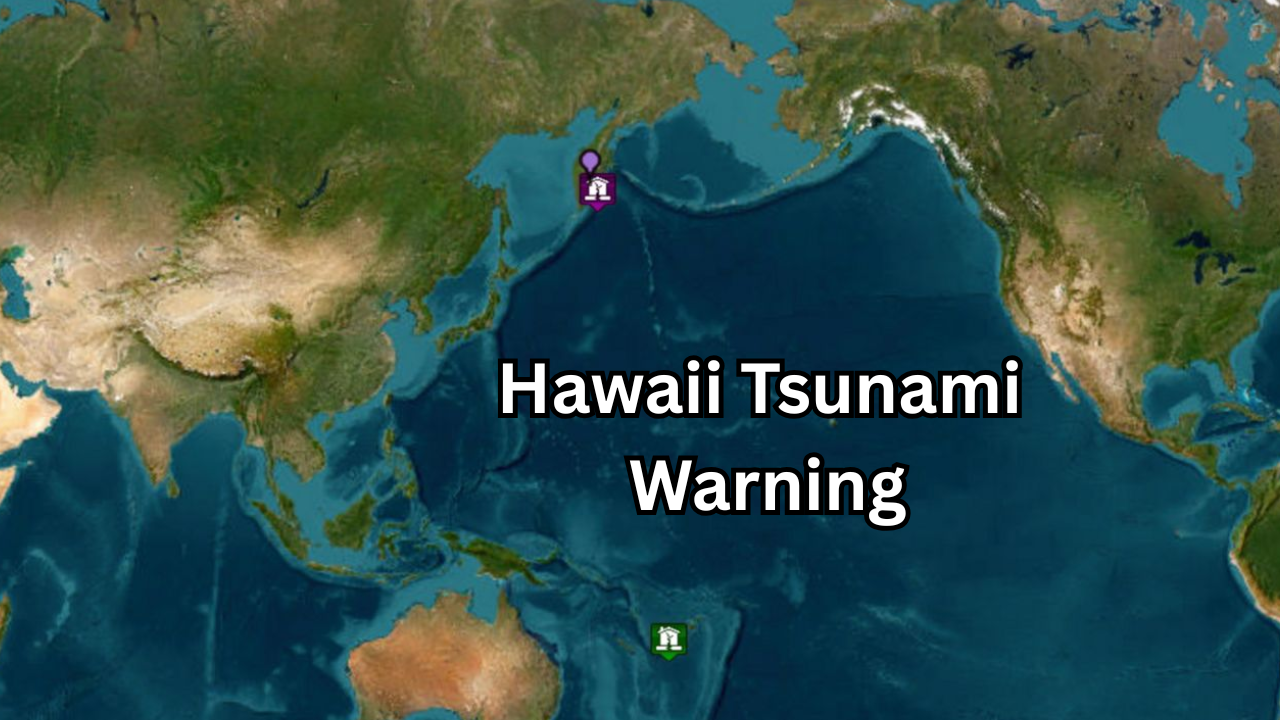
Understanding a Hawaii Tsunami Warning
A Hawaii tsunami warning is one of the most serious natural hazard alerts issued in the Pacific region. It indicates that a tsunami has been detected or is expected and that coastal areas of Hawaii are at immediate risk of dangerous flooding, strong currents, and destructive waves. Because Hawaii sits in the middle of the Pacific Ocean, it is exposed to seismic activity from multiple directions, making tsunami awareness and preparedness a critical part of island life.
Unlike common weather alerts, a tsunami warning demands swift action. These waves can travel across entire ocean basins and arrive with little visible sign at first, yet carry immense power. Understanding what a Hawaii tsunami warning truly means can help residents, visitors, and businesses respond correctly and save lives.
Why Hawaii Is Highly Vulnerable to Tsunamis
Hawaii’s geographic location places it near the Pacific “Ring of Fire,” a zone known for frequent earthquakes and volcanic activity. Powerful undersea earthquakes near Alaska, Japan, Chile, or other Pacific regions can generate tsunami waves that travel thousands of miles toward the Hawaiian Islands.
Hawaii’s long coastlines, popular beaches, and low-lying areas increase the potential impact. Even moderate tsunami waves can flood roads, damage harbors, and disrupt essential services. This is why authorities treat every Hawaii tsunami warning with maximum seriousness, even if the final impact turns out to be limited.
Difference Between a Tsunami Watch and a Tsunami Warning
Many people confuse a tsunami watch with a tsunami warning, but the difference is crucial.
A tsunami watch means that a distant earthquake has occurred, and authorities are evaluating whether a tsunami may form. During a watch, people should stay alert and monitor official updates.
A Hawaii tsunami warning, on the other hand, means a tsunami is imminent or already occurring. Immediate evacuation of coastal and low-lying areas is required. Waiting for visual confirmation of waves can be extremely dangerous, as the first signs may be rapid water withdrawal or unusual currents rather than a towering wave.
How Tsunami Warning Systems Protect Hawaii
Hawaii benefits from one of the most advanced tsunami detection and warning systems in the world. Seismic sensors, deep-ocean pressure buoys, and coastal tide gauges work together to detect abnormal ocean activity. Once a potential tsunami is identified, emergency agencies analyze the data and issue alerts within minutes.
Sirens across the islands, emergency broadcasts, mobile alerts, and online updates are all used to spread the message quickly. The effectiveness of a Hawaii tsunami warning depends not only on technology, but also on public understanding and cooperation.
What Triggers a Hawaii Tsunami Warning
The most common trigger for a Hawaii tsunami warning is a strong undersea earthquake, usually with a magnitude above a critical threshold. However, tsunamis can also be caused by underwater landslides, volcanic eruptions, or large coastal collapses.
Not every large earthquake creates a tsunami, but authorities prefer to err on the side of caution. Issuing a Hawaii tsunami warning early allows time for evacuation and preparation, even if the threat later decreases.
How Fast Tsunami Waves Travel to Hawaii
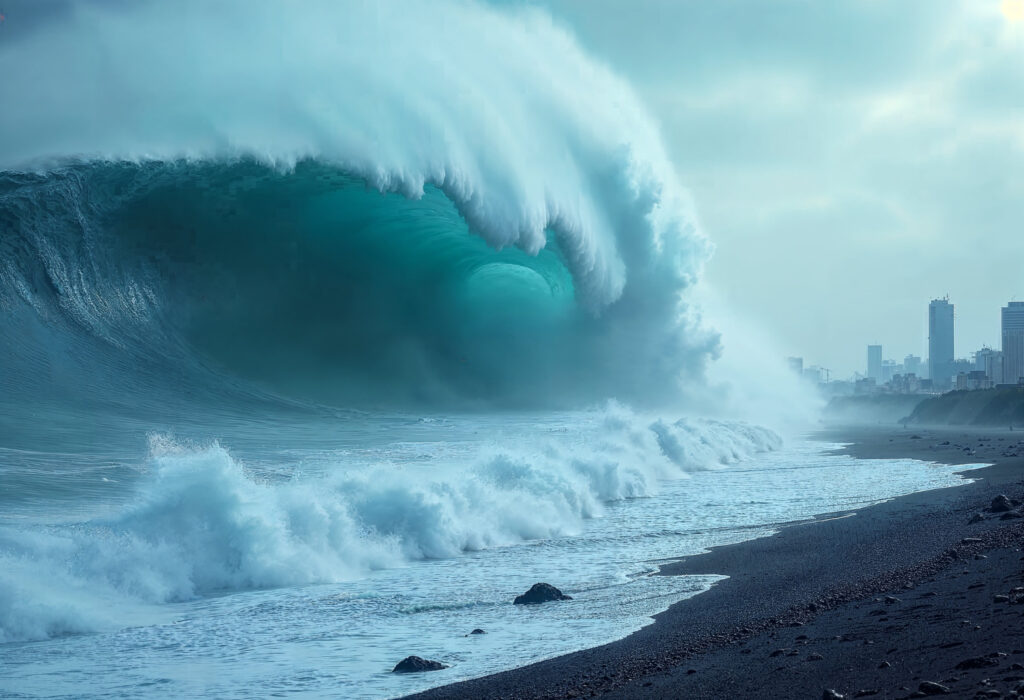
One of the most dangerous aspects of tsunamis is their speed. In deep ocean water, tsunami waves can travel as fast as a commercial jet airplane. This means waves generated thousands of miles away can reach Hawaii within hours.
When the waves approach shallow coastal waters, they slow down but grow dramatically in height and strength. This transformation is what makes a Hawaii tsunami warning so urgent, as the energy carried by the wave is released near shorelines.
What to Do Immediately During a Hawaii Tsunami Warning
When a Hawaii tsunami warning is issued, time is critical. People in coastal or low-lying areas should move to higher ground immediately. Delaying evacuation to gather belongings or take photos can put lives at risk.
Avoid beaches, harbors, and rivers, as tsunami surges can travel inland through waterways. If you are on a boat in a harbor, do not attempt to leave unless instructed by authorities. Following official guidance is essential during a Hawaii tsunami warning.
Tsunami Evacuation Zones in Hawaii
Hawaii has clearly marked tsunami evacuation zones across its islands. These zones are based on elevation and historical tsunami data. Knowing whether you live, work, or stay within an evacuation zone can make a critical difference during an emergency.
Residents are encouraged to learn evacuation routes in advance and practice them. Visitors should familiarize themselves with hotel safety information and local signage. A Hawaii tsunami warning leaves little time for confusion, so preparation ahead of time is vital.
The Impact of Past Tsunamis on Hawaii
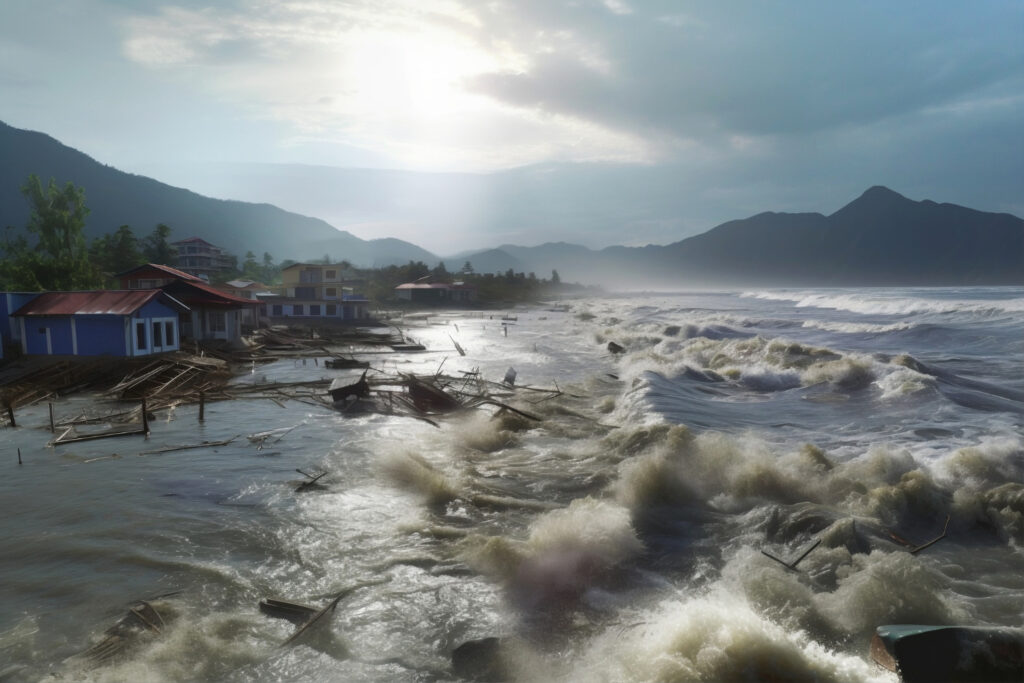
History shows why Hawaii takes tsunami threats seriously. Past tsunamis have caused significant damage, loss of life, and long-term economic disruption. Entire coastal communities have been affected, and harbors have suffered extensive destruction.
These events led to major improvements in early warning systems and emergency planning. Every Hawaii tsunami warning today reflects lessons learned from previous disasters, emphasizing rapid communication and community readiness.
Economic and Environmental Effects of Tsunamis in Hawaii
Beyond immediate danger to human life, tsunamis can have lasting economic and environmental consequences. Tourism, a major pillar of Hawaii’s economy, can be disrupted for weeks or months following a significant event.
Coral reefs, coastal ecosystems, and marine life can also suffer damage. Saltwater flooding can contaminate freshwater sources and agricultural land. Understanding these broader impacts highlights why responding properly to a Hawaii tsunami warning is essential for long-term recovery.
How Technology Has Improved Hawaii Tsunami Warnings
Advancements in satellite communication, real-time data analysis, and mobile alert systems have transformed how Hawaii tsunami warnings are delivered. Today, alerts can reach millions of people within seconds through smartphones and digital platforms.
Social media and online news also play a role, but they should never replace official sources. Relying on verified emergency alerts ensures accurate information during fast-changing situations.
Common Myths About Hawaii Tsunami Warnings
One common myth is that tsunamis always appear as giant, visible waves. In reality, many tsunamis arrive as a series of powerful surges and strong currents that can be just as deadly.
Another misconception is that once the first wave passes, the danger is over. A Hawaii tsunami warning often remains in effect for hours because multiple waves can arrive, sometimes larger than the first. Ignoring official “all clear” announcements can lead to unnecessary risk.
Preparing Your Family for a Hawaii Tsunami Warning
Preparation is the most effective defense against tsunami danger. Families in Hawaii should have an emergency plan that includes evacuation routes, communication methods, and meeting points.
Emergency kits with essential supplies such as water, food, medications, and important documents should be ready. Regular discussions and drills help ensure everyone knows what to do when a Hawaii tsunami warning is issued.
Guidance for Tourists During a Hawaii Tsunami Warning
Visitors to Hawaii may be unfamiliar with tsunami procedures, making education especially important. Hotels and resorts often provide safety information, and staff are trained to assist during emergencies.
Tourists should take all warnings seriously, follow evacuation instructions, and avoid attempting to witness the event. A Hawaii tsunami warning is not a sightseeing opportunity; it is a life-threatening situation requiring calm and cooperation.
The Role of Community Awareness in Tsunami Safety
Community awareness plays a powerful role in reducing risk. Public education campaigns, school programs, and regular drills help reinforce the importance of tsunami preparedness.
When people understand the meaning of a Hawaii tsunami warning, panic decreases, and response becomes more efficient. Strong community participation can significantly reduce injuries and fatalities during natural disasters.
Why You Should Always Take a Hawaii Tsunami Warning Seriously
Even if previous warnings resulted in minimal damage, every Hawaii tsunami warning must be treated as potentially deadly. Ocean conditions, earthquake characteristics, and coastal geography can change outcomes dramatically.
Complacency is one of the greatest dangers. Acting quickly and responsibly during each warning ensures the highest level of safety for individuals and communities alike.
Final Thoughts on Hawaii Tsunami Warning Awareness
A Hawaii tsunami warning is more than just an alert; it is a call to immediate action and collective responsibility. By understanding how warnings work, why Hawaii is vulnerable, and what steps to take, people can protect themselves and others.
Also Read: Basketball Random GitHub – The Ultimate Guide to the Game, Code, and Online Experience