
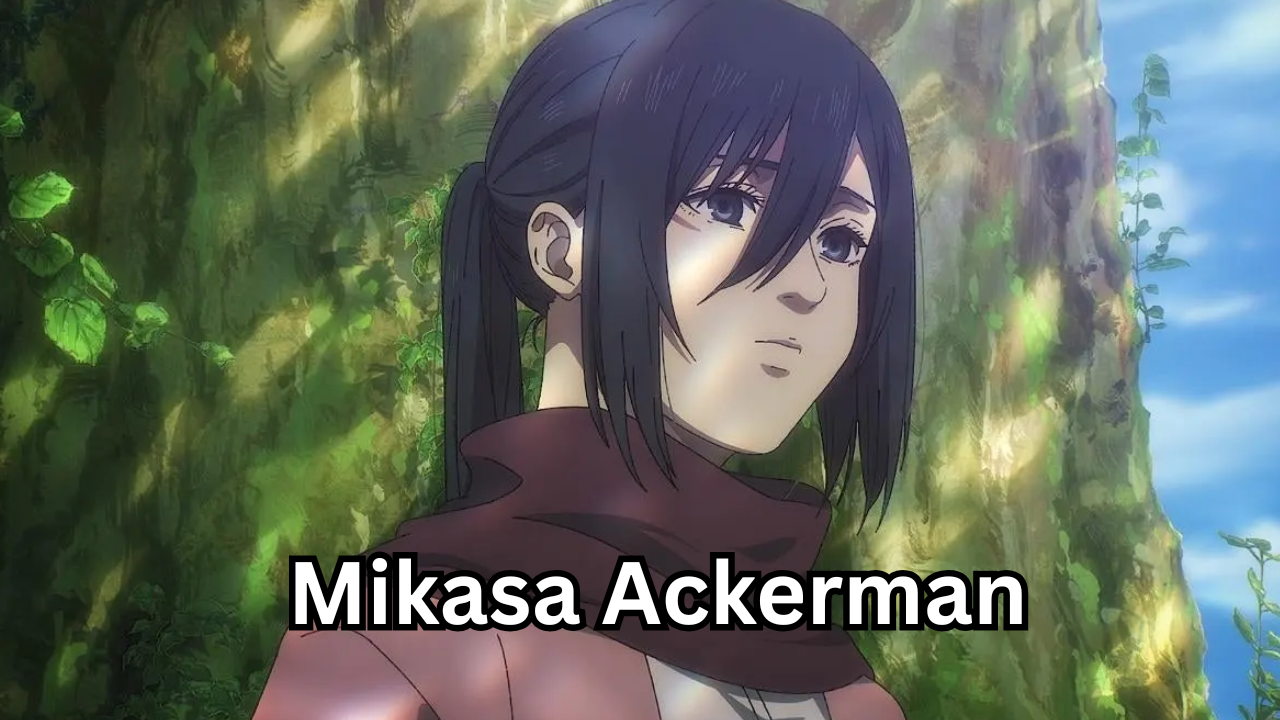
Introduction to Mikasa Ackerman
Mikasa Ackerman is one of the most iconic and beloved characters in modern anime and manga culture. As a central figure in Attack on Titan, she represents strength, loyalty, emotional depth, and moral complexity. From her first appearance to her final moments in the series, Mikasa Ackerman leaves a lasting impression on fans worldwide. Her journey is not just about physical combat against Titans, but also about identity, freedom, love, and sacrifice. This article explores Mikasa Ackerman in detail, covering her origins, abilities, personality, relationships, symbolism, and lasting cultural impact.
Mikasa Ackerman’s Origin and Backstory
Mikasa Ackerman’s story begins with tragedy. Born to an Asian mother and an Ackerman father, Mikasa lived a peaceful childhood until her parents were brutally murdered by human traffickers. This traumatic event shaped her worldview and personality. It was during this moment of despair that Eren Yeager entered her life, saving her and encouraging her to fight for survival. This act awakened Mikasa’s dormant strength and forged an unbreakable bond between them.
Her mixed heritage makes her unique in the world of Attack on Titan. Being part Ackerman gives her access to extraordinary physical abilities, while her Asian lineage connects her to a nearly extinct bloodline within the walls. These elements make Mikasa Ackerman not only powerful but also symbolically important to the story’s themes of identity and survival.
The Ackerman Bloodline and Its Power
The Ackerman clan is one of the most mysterious and powerful families in Attack on Titan. Mikasa Ackerman’s strength is not accidental; it is the result of genetic enhancements passed down through generations. Ackermans possess superhuman strength, heightened reflexes, and exceptional combat instincts. Unlike Titan shifters, their power does not come at the cost of a shortened lifespan.
Mikasa’s awakening as an Ackerman happens when her survival instincts activate during her childhood trauma. From that moment, she demonstrates unparalleled combat ability, often outperforming trained soldiers. Her skills make her humanity’s strongest soldier alongside Levi Ackerman. This power, however, also raises questions about free will, as Ackermans are often drawn to protect a specific individual, a theme that deeply affects Mikasa’s character arc.
Mikasa Ackerman’s Personality and Inner Conflict
At first glance, Mikasa Ackerman appears cold, stoic, and emotionally distant. However, beneath this exterior lies a deeply sensitive and caring individual. She is fiercely loyal, especially toward Eren Yeager, and her actions are often motivated by a desire to protect those she loves.
Mikasa struggles internally throughout the series. She constantly balances her personal emotions with her duty as a soldier. Her love for Eren conflicts with her understanding of morality and justice, particularly as Eren’s actions grow more extreme. This inner conflict makes Mikasa one of the most emotionally complex characters in the series, resonating strongly with audiences who appreciate layered storytelling.
Relationship Between Mikasa Ackerman and Eren Yeager
The relationship between Mikasa Ackerman and Eren Yeager is one of the most discussed aspects of Attack on Titan. Their bond begins as one of survival and gradually evolves into a deep emotional connection. Mikasa views Eren as her family, protector, and purpose, while Eren sees her as a symbol of safety and home.
As the story progresses, their relationship becomes strained. Eren’s pursuit of freedom leads him down a dark path, forcing Mikasa to question her loyalty and beliefs. This emotional tension reaches its peak in the final arcs, where Mikasa must confront the ultimate question: can she choose the world’s future over the person she loves most? This tragic dynamic elevates Mikasa Ackerman’s character from a skilled warrior to a symbol of painful choice and emotional maturity.
Mikasa Ackerman as a Warrior
Mikasa Ackerman is widely regarded as one of the strongest fighters in Attack on Titan. Her mastery of the Omni-Directional Mobility Gear allows her to move with speed, precision, and grace. In battle, she is calm, focused, and deadly efficient. Her combat scenes are often highlights of the series, showcasing her ability to defeat Titans and human enemies alike.
What sets Mikasa apart is not just her physical power, but her discipline and strategic thinking. She rarely acts recklessly and often serves as a stabilizing force during chaotic situations. Her presence on the battlefield boosts morale and demonstrates humanity’s potential to fight back against overwhelming odds.
Symbolism and Themes Represented by Mikasa Ackerman
Mikasa Ackerman represents several core themes of Attack on Titan. One of the most prominent is the struggle between freedom and attachment. While many characters seek freedom through destruction or domination, Mikasa’s journey shows that freedom can also mean letting go.
She also symbolizes resilience. Despite enduring immense loss and trauma, Mikasa continues to move forward, fighting not out of hatred but out of love and responsibility. Her iconic red scarf, gifted by Eren, represents warmth, connection, and the comfort of belonging in a cruel world. Over time, this scarf becomes a powerful symbol of Mikasa’s emotional growth and independence.
Mikasa Ackerman’s Role in the Final Arc
In the final chapters of Attack on Titan, Mikasa Ackerman plays a crucial role in determining the fate of the world. Faced with Eren’s catastrophic actions, she must confront her deepest fears and emotions. Her ultimate decision is one of the most impactful moments in the series, redefining her character and leaving a lasting emotional impact on readers and viewers.
This moment marks Mikasa’s transformation from a protector who follows instinctively to an individual who makes an independent moral choice. It solidifies her legacy as not just a powerful soldier but as a character capable of growth, sacrifice, and profound emotional strength.

Cultural Impact and Popularity of Mikasa Ackerman
Mikasa Ackerman has become a global pop culture icon. She consistently ranks among the most popular anime characters of all time. Her influence extends beyond the series into cosplay, fan art, merchandise, and online communities. Fans admire her strength, loyalty, and emotional depth, making her a role model for many.
Her character has also sparked discussions about female representation in anime. Mikasa breaks traditional stereotypes by being both emotionally complex and physically dominant. She proves that strength and vulnerability can coexist, paving the way for more nuanced female characters in the genre.
Why Mikasa Ackerman Remains Timeless
The enduring appeal of Mikasa Ackerman lies in her humanity. Despite her extraordinary abilities, her struggles are deeply relatable. She experiences love, loss, doubt, and growth in ways that mirror real human emotions. Her journey reminds audiences that true strength is not just about power, but about making difficult choices and accepting their consequences.
Mikasa’s story does not offer simple answers or perfect resolutions. Instead, it presents a realistic portrayal of emotional maturity and moral responsibility. This depth ensures that Mikasa Ackerman remains relevant and memorable long after the series concludes.
Conclusion: The Legacy of Mikasa Ackerman
Mikasa Ackerman is far more than a supporting character in Attack on Titan. She is a cornerstone of the story’s emotional and thematic foundation. Through her strength, loyalty, and ultimate growth, she embodies the series’ exploration of freedom, love, and sacrifice. Her journey from a traumatized child to a decisive and independent individual cements her status as one of the greatest characters in anime history.
Also Read: T Mobile Customer Service Phone Number: How to Contact Support Fast and Get Real Help