
Staying updated with language learning app news is essential for students, professionals, educators, and language enthusiasts who want to stay ahead in today’s fast-evolving digital learning world. Over the past few years, language learning apps have transformed into powerful AI-driven platforms that deliver personalized lessons, real-time feedback, speech recognition, and interactive experiences. In 2025, this industry is growing faster than ever. This article explores the latest updates, trends, new features, and the future of language learning apps—helping you understand how technology is reshaping global communication and education.
The Rapid Evolution of Language Learning Apps in 2025
Language learning apps have come a long way from simple vocabulary flashcards and grammar quizzes. Today, they blend AI, machine learning, gamification, immersive learning, and even mixed reality to create dynamic learning environments. The primary goal of modern apps is not only to teach words but also to make learners confident and fluent in any real-life scenario.
Many apps now offer features like:
- AI-powered conversation practice
- Real-time accent correction
- Speech-to-text accuracy tracking
- Cultural context learning
- Personalized difficulty adjustment
This technological improvement makes language learning more accessible and enjoyable for millions of users across the world.
AI-Powered Learning: The Biggest Trend in Language Learning App News
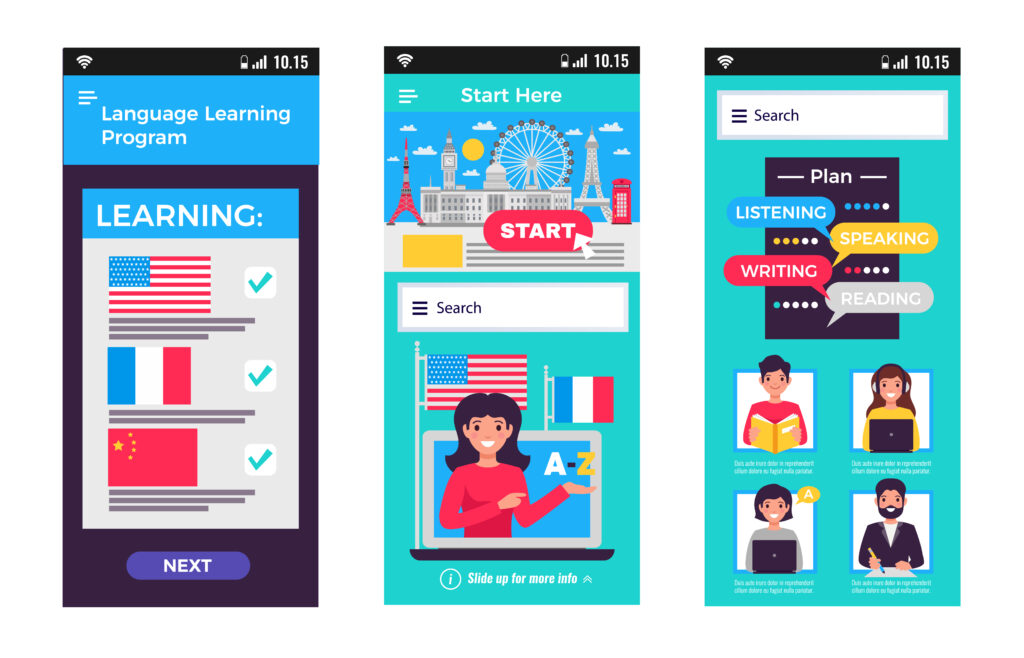
Artificial intelligence is dominating every aspect of digital education, and language learning apps are no exception. AI tailors study plans based on user behavior, learning speed, mistakes, and preferences. This customization boosts confidence and speeds up fluency.
Modern language apps use AI for:
- Smart lesson recommendations
- Adaptive difficulty levels
- Grammar correction and explanation
- Accent and pronunciation improvement
- Simulated real-world conversations
For example, some platforms now include AI conversation bots that imitate interactions with native speakers. These bots adjust their speaking speed, accent clarity, and vocabulary depending on the learner’s level, making AI a personal tutor available 24/7.
Immersive Learning Through AR and VR Technologies
One of the most exciting updates in language learning app news is the integration of augmented reality (AR) and virtual reality (VR). These technologies make learning feel like stepping into another country without leaving your home.
AR and VR enable learners to:
- Practice ordering food in a virtual restaurant
- Explore digital city environments
- Engage in mock interviews
- Learn vocabulary by interacting with 3D objects
These hands-on experiences boost retention and help learners apply their skills more confidently in the real world. As VR headsets become more affordable, more language apps will integrate these immersive features.
Gamification Continues to Boost User Engagement
Gamification is still a major component of successful language learning apps. By turning lessons into fun challenges or games, apps keep users motivated for longer periods.
Common gamification elements include:
- Daily streak rewards
- XP and point systems
- Leaderboards
- Skill mastery badges
- Time-based challenges
This approach taps into competitive learning psychology and keeps users active, improving long-term retention. Many new apps also offer team challenges, allowing friends or classmates to compete in weekly tasks and vocabulary battles.
Rise of Microlearning for Busy Users
Microlearning is becoming one of the most popular trends in language learning app news. With shorter attention spans and busy lifestyles, users prefer short, digestible lessons that take just 5 to 10 minutes.
Microlearning modules include:
- Quick reading exercises
- Bite-sized grammar lessons
- Short audio or video clips
- Flashcard review sessions
This approach helps users maintain consistency without feeling overwhelmed and makes language learning a seamless part of their daily routine.
Real-Time Translation and Pronunciation Tools Are Becoming More Advanced
In 2025, real-time translation tools in language apps have become shockingly accurate. New algorithms allow apps to listen to user speech, translate it instantly, and evaluate it for clarity and accuracy.
These tools help with:
- Daily conversation practice
- Understanding native speaker accents
- Building confidence in speaking
- Learning natural sentence structures
Some apps now offer instant subtitle feedback, allowing learners to see how accurately they spoke each sentence. This feature has become extremely popular among beginners and intermediate learners.
Personalized Learning Paths Improve User Success Rates
Personalization has become a critical feature in every top-performing language learning app. Instead of following a generic course, users now receive customized lessons based on:
- Age
- Learning goals
- Profession
- Native language
- Learning style
- Strengths and weaknesses
For example, a business professional learning Spanish may receive tailored lessons focused on business vocabulary, negotiation phrases, and meeting etiquette. Students, on the other hand, receive modules on academic writing and exam preparation.
Cultural Learning Is Becoming Just as Important as Language Learning
A positive trend in language learning app news is the growing importance of cultural context. Apps now integrate cultural lessons so learners understand not just the language but also the culture behind it.
These lessons teach users about:
- Local traditions and values
- Daily life practices
- Body language and tone
- Regional dialects
- Cultural etiquette
Understanding culture helps learners speak more naturally and respectfully, boosting their chances of success in real-life interactions.
Why Language Learning Apps Are More Popular Than Traditional Classes
The popularity of language learning apps continues to soar because they offer:
- Flexibility and convenience
- Affordable or free learning options
- Personalized guidance
- Faster progress tracking
- A stress-free environment
- Instant access to global languages
Students and working professionals especially benefit because they can learn anytime—even during short breaks, travel, or before bed.
The Future of Language Learning Apps: What to Expect Next
As the demand for digital learning grows, the future of language apps looks promising. We can expect more innovations, such as:
- AI-generated personalized textbooks
- Deep-learning pronunciation maps
- Global language exchange communities
- Neural network-powered translations
- Brain-training memory boosters
- Interactive AI tutors that adapt like real teachers
These advancements will make language learning more engaging, accurate, and enjoyable for everyone.
Conclusion: Why Keeping Up With Language Learning App News Matters
Staying updated with the latest language learning app news helps learners choose the best tools and stay ahead of global trends. Whether you’re a beginner, a seasoned learner, or someone preparing for travel or business, modern apps offer everything you need to master a new language efficiently.
As technology evolves, language learning apps continue to grow smarter, more interactive, and more personalized—making language mastery accessible for everyone.
Also Read: International Champions Cup: A Complete Guide to the World’s Premier Pre-Season Football Tournament