Robert Eggers: The Visionary Filmmaker Redefining Modern Horror Cinema
Introduction to Robert Eggers and His Unique Cinematic Identity
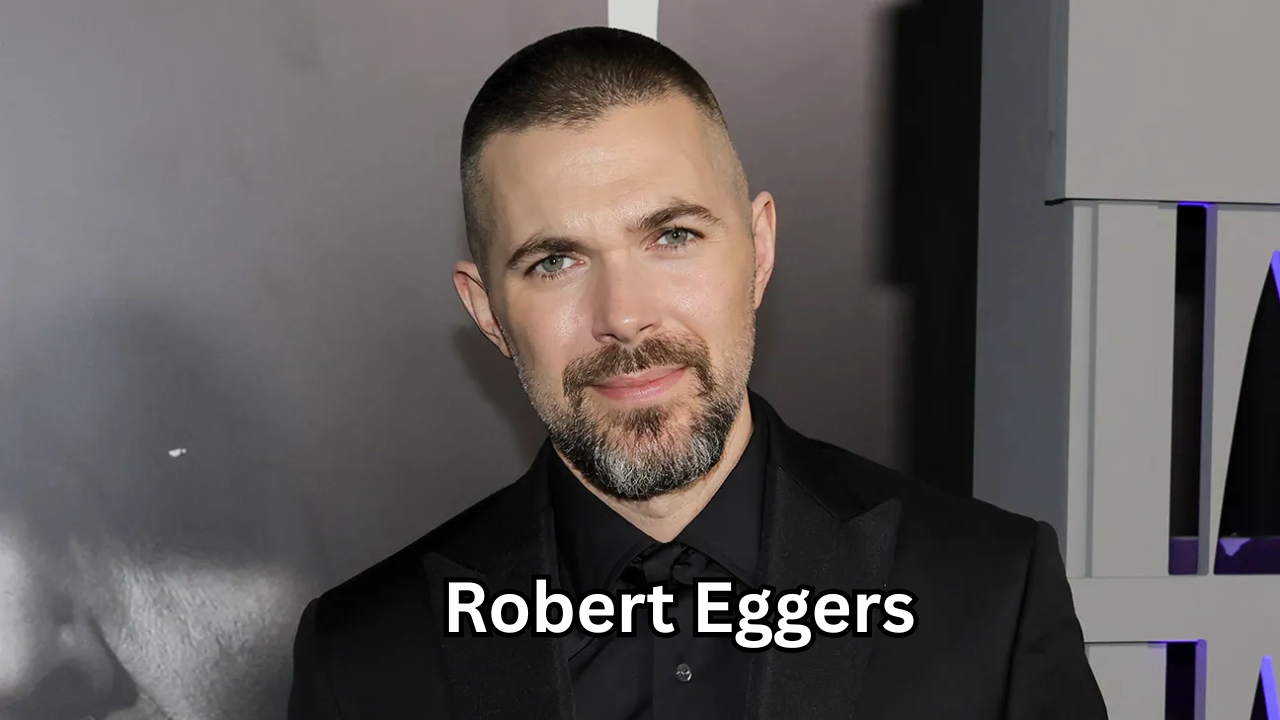
RobertEggers has emerged as one of the most influential and distinctive filmmakers of the 21st century, known for his uncompromising artistic vision and deep commitment to historical authenticity. In an era dominated by franchise films and formula-driven storytelling, RobertEggers stands apart as a director who prioritizes atmosphere, psychological depth, and meticulous research over conventional Hollywood trends. His films are not merely entertainment; they are immersive experiences that transport audiences into unsettling worlds shaped by folklore, mythology, and human fear.
The name RobertEggers has become synonymous with elevated horror, a subgenre that blends intellectual storytelling with emotional intensity. Through his carefully crafted narratives and striking visual style, Eggers has redefined what horror cinema can achieve, earning both critical acclaim and a dedicated global fan base.
Early Life and Creative Foundations of Robert Eggers
RobertEggers was born in New York City and raised in New England, a region that would later play a crucial role in shaping his creative sensibilities. His upbringing, surrounded by colonial architecture, maritime history, and regional folklore, deeply influenced his artistic imagination. Before entering the film industry, RobertEggers built a strong foundation in theater design, working as a production designer and director for stage productions.
This theatrical background helped RobertEggers develop a keen eye for detail, set design, and visual symbolism. His early exposure to historical texts, myths, and period art laid the groundwork for his future approach to filmmaking. Rather than relying on modern reinterpretations, Eggers immersed himself in source materials, a practice that would become a defining characteristic of his films.

The Lighthouse of His Career: The Witch and Its Impact
Robert Eggers made his feature film debut with The Witch, a chilling period horror film set in 17th-century New England. The film immediately captured attention for its haunting atmosphere, archaic dialogue, and relentless psychological tension. Unlike traditional horror movies, The Witch relied on slow-burning dread rather than jump scares, demonstrating RobertEggers’ confidence in subtle storytelling.
The success of The Witch established RobertEggers as a filmmaker unafraid to challenge audiences. The film’s commitment to historical accuracy, including language derived from real court documents and diaries, set a new benchmark for authenticity in genre filmmaking. Critics praised the film for its originality, while audiences recognized it as a bold departure from mainstream horror conventions.
Robert Eggers’ Dedication to Historical Accuracy
One of the most defining traits of RobertEggers is his obsessive attention to historical detail. Every element in his films, from costumes and architecture to dialogue and rituals, is carefully researched and authentically recreated. This dedication allows viewers to feel as though they are witnessing a living piece of history rather than a fictionalized representation.
RobertEggers collaborates closely with historians, linguists, and cultural experts to ensure accuracy. This approach not only enhances realism but also deepens the emotional impact of his stories. By grounding supernatural elements in real historical contexts, RobertEggers makes his films feel disturbingly plausible, amplifying their psychological power.
The Lighthouse: A Study of Madness and Myth
Following his debut success, Robert Eggers released The Lighthouse, a black-and-white psychological horror film that further cemented his reputation as a visionary director. Set in the late 19th century, the film explores themes of isolation, power, and madness through the relationship between two lighthouse keepers.
Robert Eggers used unconventional aspect ratios, stark lighting, and surreal imagery to create a claustrophobic and disorienting experience. Drawing inspiration from maritime folklore and Greek mythology, the film blurred the line between reality and hallucination. The Lighthouse showcased Robert Eggers’ ability to experiment boldly while maintaining narrative coherence, earning widespread critical acclaim and multiple award nominations.
The Northman and the Expansion of Robert Eggers’ Vision
With The Northman, Robert Eggers ventured into epic historical filmmaking while maintaining his signature style. The film, rooted in Viking mythology and medieval history, demonstrated that Eggers could scale his vision without compromising authenticity. Drawing from ancient sagas and archaeological research, he crafted a brutal and immersive tale of revenge.
Robert Eggers’ approach to The Northman emphasized realism over romanticism. The film portrayed Viking culture as raw, violent, and spiritually complex, challenging popularized depictions. This project marked a significant evolution in Robert Eggers’ career, proving that his meticulous storytelling could succeed on a larger cinematic canvas.
Themes That Define Robert Eggers’ Films
The work of Robert Eggers consistently explores themes of belief, isolation, and the fragility of the human psyche. His characters often confront forces beyond their understanding, whether rooted in religion, mythology, or internal madness. Rather than offering clear answers, Robert Eggers invites audiences to grapple with ambiguity and interpret meaning for themselves.
Another recurring theme in Robert Eggers’ films is the conflict between civilization and nature. Harsh landscapes, unforgiving environments, and primal instincts play central roles in shaping character behavior. These elements reinforce the idea that humanity’s struggle against nature is both physical and psychological.
Visual Storytelling and Cinematic Techniques
Robert Eggers is renowned for his distinctive visual language. He often collaborates closely with cinematographers to achieve precise framing, lighting, and composition. His use of natural light, practical effects, and period-accurate sets enhances the immersive quality of his films.
Sound design also plays a crucial role in Robert Eggers’ storytelling. From creaking wood and crashing waves to unsettling silence, audio elements are carefully crafted to heighten tension. These techniques demonstrate Robert Eggers’ understanding of cinema as a fully sensory experience.
Influence of Mythology and Folklore in Robert Eggers’ Work
Mythology and folklore are central to Robert Eggers’ creative philosophy. Rather than treating myths as mere background elements, he integrates them deeply into narrative structure and character psychology. This approach allows his films to operate on both literal and symbolic levels.
Robert Eggers draws inspiration from ancient texts, oral traditions, and cultural legends, using them to explore universal human fears. By reviving these stories with authenticity and respect, he preserves their cultural significance while introducing them to modern audiences.
Critical Reception and Cultural Impact of Robert Eggers
The films of Robert Eggers have consistently received praise from critics for their originality, craftsmanship, and intellectual depth. While his work may not appeal to all audiences, it has had a significant influence on the direction of modern horror and independent cinema.
Robert Eggers has inspired a new generation of filmmakers to prioritize authenticity, atmosphere, and storytelling integrity. His success demonstrates that audiences are willing to embrace challenging and unconventional narratives when executed with confidence and skill.
Robert Eggers’ Role in Shaping the Future of Cinema
As Robert Eggers continues to develop new projects, his influence on the film industry grows stronger. He represents a rare blend of artistic integrity and mainstream recognition, proving that bold creative choices can coexist with commercial success.
Robert Eggers’ commitment to research, originality, and immersive storytelling sets a standard that extends beyond genre filmmaking. His work encourages filmmakers to explore history, mythology, and psychology with depth and respect, shaping the future of cinema in meaningful ways.
Why Robert Eggers Matters to Modern Audiences
In a fast-paced digital age, Robert Eggers offers audiences an opportunity to slow down and engage deeply with cinematic art. His films demand attention, patience, and reflection, rewarding viewers with rich, layered experiences.
Robert Eggers matters because he challenges expectations and pushes boundaries without compromising authenticity. His work reminds audiences that cinema can be both intellectually stimulating and emotionally powerful, reaffirming the medium’s artistic potential.
Conclusion: The Enduring Legacy of Robert Eggers
Robert Eggers has firmly established himself as one of the most important filmmakers of his generation. Through his unwavering dedication to authenticity, mythological depth, and psychological complexity, he has redefined modern horror and historical cinema.














1 comment