How Did Bob Marley Die? A Deep Look Into the Life, Illness, and Legacy of a Reggae Legend
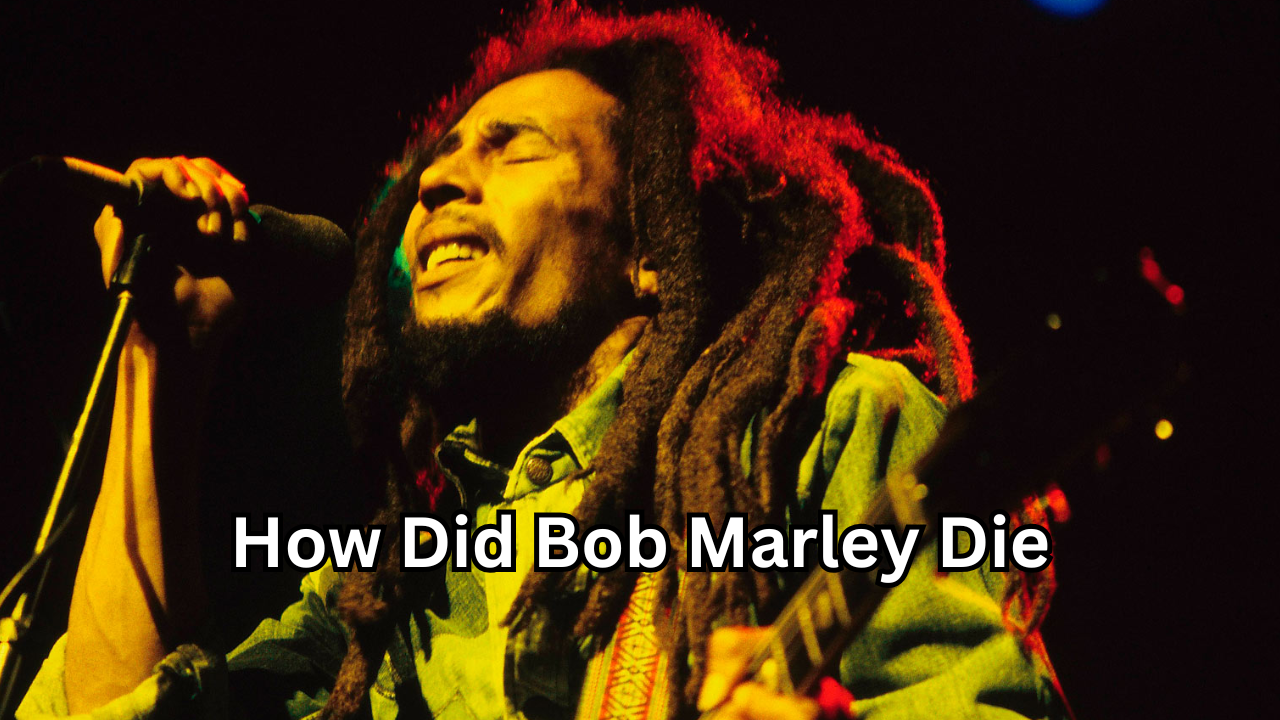
Introduction to Bob Marley’s Life and Influence
Bob Marley is one of the most influential musicians in history. His unique blend of reggae, Rastafarian spirituality, and powerful social messages made him a global cultural icon. Even today, decades after his death, millions still listen to his music, follow his philosophy, and celebrate his legacy. But despite his fame and impact, many people still wonder: How did Bob Marley die? Understanding the cause of his death not only reveals hidden truths about his life but also reminds us how fragile even the greatest artists can be.
The Early Signs of Illness
Bob Marley’s health problems began in 1977, during a football match in Paris. Marley loved playing football, and during one game, he injured his toe. What seemed like a small injury eventually became serious when doctors discovered that Marley had acral lentiginous melanoma, a rare and aggressive form of skin cancer.
This type of melanoma often appears on the palms, soles, or under the toenails. In Marley’s case, the cancer was found under his toenail, which made the diagnosis unexpected. Many people mistakenly believe melanoma comes only from sun exposure, but this specific type has nothing to do with UV rays.
Why Bob Marley Refused Amputation
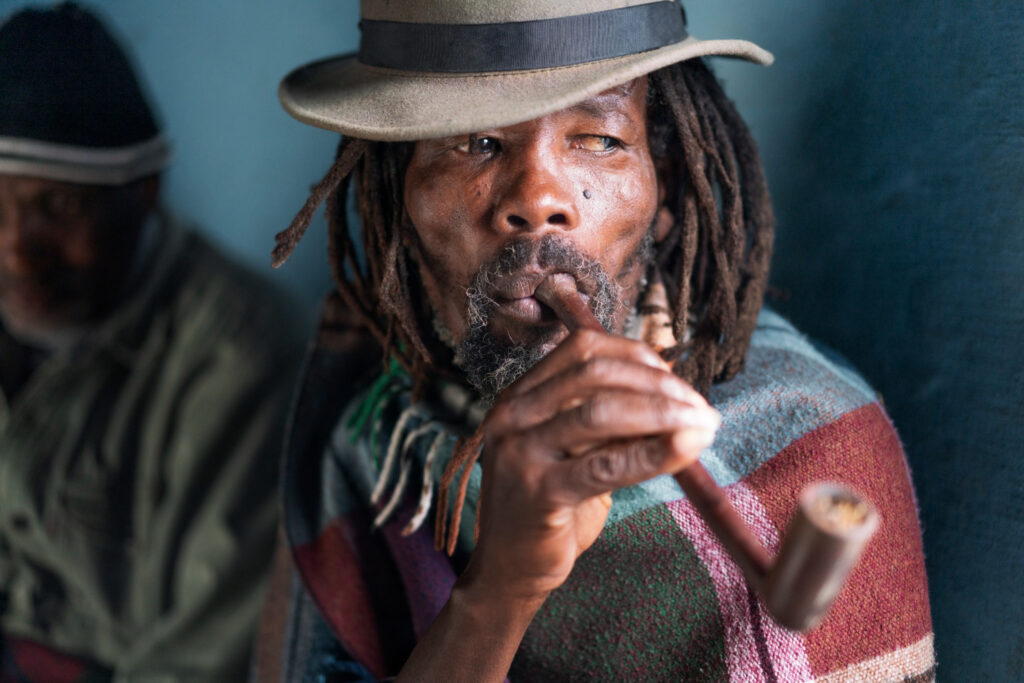
Doctors recommended amputating Marley’s toe to stop the cancer from spreading. However, Marley declined this treatment. As a devoted Rastafarian, he adhered to strict beliefs about the preservation of the body. Rastafarian teachings stress that one should not remove or damage any part of the body unless necessary.
Instead of amputation, Marley chose a less invasive procedure where doctors removed the cancerous tissue and attempted a skin graft. Although he temporarily recovered and continued touring, the cancer had already spread deeper into his body without anyone realizing it.
The Cancer Spread Throughout His Body
Throughout the late 1970s, Bob Marley continued to perform with incredible energy. He toured the world, released some of his most powerful albums, and became a voice for peace and unity.
But behind the scenes, the cancer was spreading. It eventually reached his lungs, liver, and brain. By 1980, Marley collapsed while jogging in Central Park during his U.S. tour. After this incident, he went through several medical examinations, which revealed that the cancer had progressed significantly.
Bob Marley’s Final Months
Knowing his health was declining, Bob Marley sought treatment in Germany under a holistic specialist named Josef Issels. The therapy focused on alternative healing rather than chemotherapy or surgery. Marley stayed there for months, hoping for recovery, but his condition continued to worsen.
By the end of April 1981, Marley decided to return to Jamaica to spend his final days at home. Unfortunately, he never made it back. During the flight, his health deteriorated rapidly, and he was admitted to a hospital in Miami.
The Day Bob Marley Died
Bob Marley died on May 11, 1981, at the age of 36, at Cedars of Lebanon Hospital in Miami, Florida. His final words were heartbreaking yet powerful: “Money can’t buy life.”
These last words reflect Marley’s lifelong beliefs—spirituality, humanity, and love meant far more to him than material things. His death shocked the world, but his legacy became even stronger after he passed.
Was Bob Marley’s Death Preventable?
Many doctors and researchers believe that if Marley had accepted the amputation early on, his cancer might have been controlled. Acral lentiginous melanoma is aggressive, but early surgical removal is often effective.
However, Marley’s religious beliefs and trust in natural healing methods influenced his decisions. Even though medical technology was not as advanced in the 1970s as it is today, early amputation might have saved his life.
Common Myths About Bob Marley’s Death
Over the years, many myths have circulated about Marley’s death. Some claim he was poisoned, while others say he was the victim of political enemies. These conspiracy theories are popular online but not supported by evidence.
Medical reports clearly state that he died from cancer that had spread throughout his body. His condition was documented for years, and those who knew him personally witnessed his physical decline.
Bob Marley’s Legacy After Death
Even though Bob Marley died young, his impact continues to grow. His music is still streamed by millions every day. Songs like “One Love,” “No Woman, No Cry,” and “Redemption Song” are timeless and continue to inspire new generations.
Marley’s messages of peace, unity, freedom, and spiritual strength remain relevant worldwide. He became a symbol of resistance against oppression, a voice for the poor, and an ambassador of Jamaican culture.

Lessons We Can Learn From His Life
Bob Marley’s death teaches important lessons about health and life:
- Early detection matters. Melanoma is deadly, but treatable if caught quickly.
- Religious and cultural beliefs impact medical decisions. Marley’s choice reflected his faith.
- Life is fragile, even for legends. Despite his fame, Marley faced the same human challenges as everyone else.
- True legacy comes from impact, not lifespan. Marley lived only 36 years, yet he changed the world.
How Fans Honor Bob Marley Today
From Jamaica to Africa, Europe, and the U.S., millions celebrate Bob Marley every year. His birth anniversary, February 6, is observed as Bob Marley Day in several countries. Visitors from all over the world travel to his home and mausoleum in Nine Mile, Jamaica. Brands, documentaries, and tribute concerts continue to share his story and music.
Conclusion: How Did Bob Marley Die?
Bob Marley died from acral lentiginous melanoma, a rare form of skin cancer that began in his toe and spread throughout his body. His refusal to amputate the affected toe due to religious beliefs played a major role in the progression of his disease. Although he passed away young, his legacy lives on endlessly through his music, philosophy, and influence on global culture.
Also Read: Freelancing Tips: The Ultimate Guide to Succeed as a Modern Freelancer













1 comment