Honey Pack — Complete SEO Guide to Benefits, Uses, and Safety
What Is a Honey Pack and Why Is It So Popular?
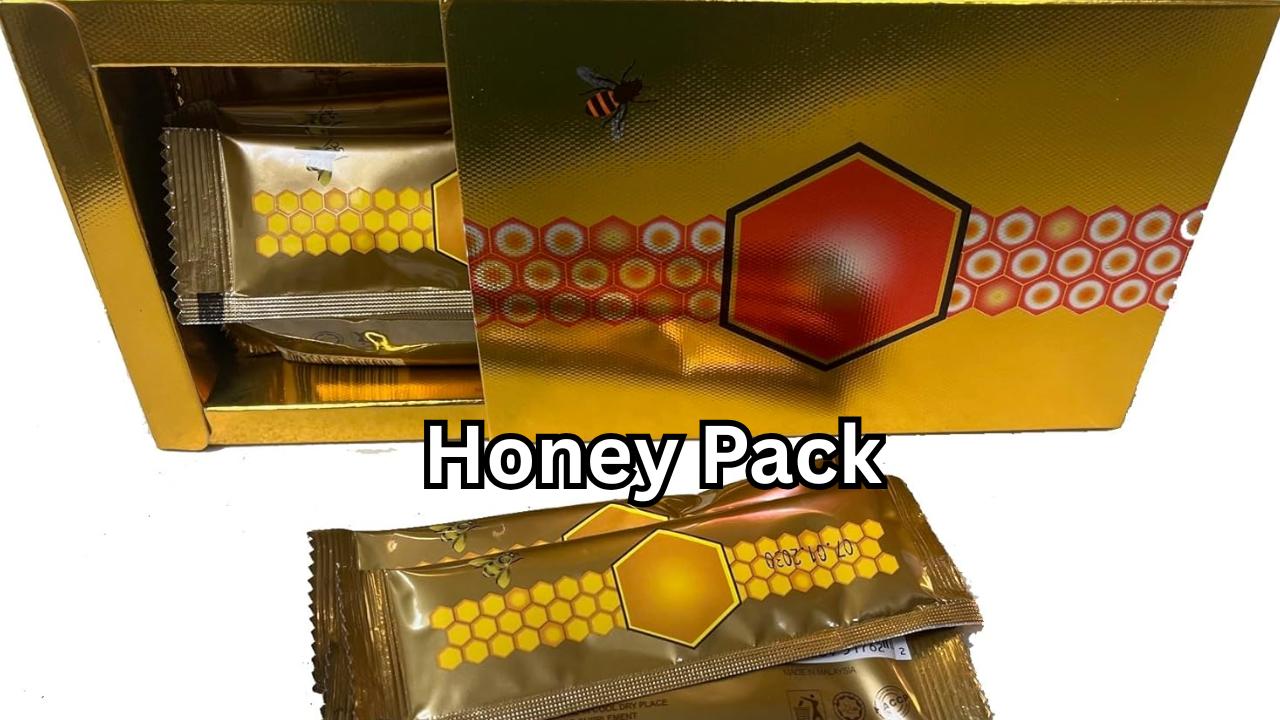
The term honey pack has become increasingly popular across wellness, lifestyle, and natural supplement communities. Many people associate honey packs with convenient single-serve honey sachets marketed for quick energy, natural sweetness, or traditional wellness support. Others recognize honey packs for their trending use in social media discussions about vitality, stamina, and overall lifestyle enhancement. Because of this wide interest, search demand for honey pack products has grown significantly, and consumers want clear, reliable, and helpful information before using them.
At its core, a honey pack typically refers to a small, portable packet filled with honey or a honey-based blend. These packs are often used as a natural sweetener, workout fuel, travel-friendly snack, or ingredient for teas and beverages. Some brands also combine honey with herbal extracts, vitamins, or natural flavorings. However, not all honey packs are the same, and understanding the differences is essential for safety, quality, and smart purchasing decisions.
This detailed guide explores what a honey pack is, potential benefits, common uses, misconceptions, and important safety considerations, helping readers make informed choices while enjoying honey responsibly.
Types of Honey Pack Products Available Today
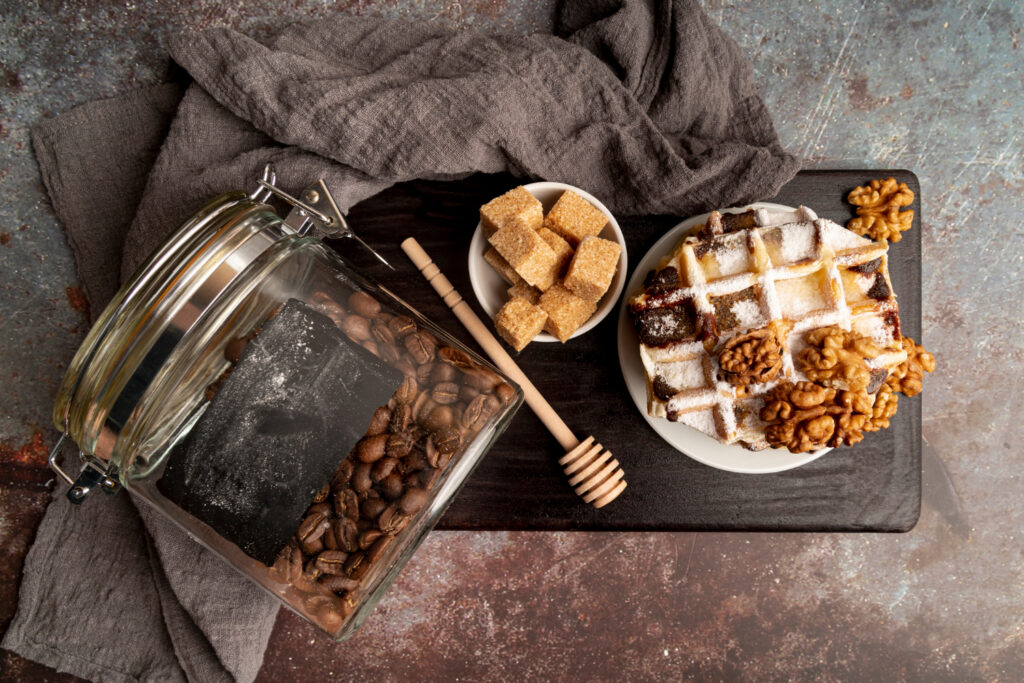
While the word “honey pack” may sound simple, it actually refers to several different product types marketed in unique ways. The most common category is pure honey packs, which contain natural honey and are used as a sweetener or energy source. These are typically made from raw, organic, or floral-source honey and appeal to users who want minimally processed natural products.
Another popular category includes flavored honey packs, which may blend honey with ginger, lemon, cinnamon, or herbal extracts. These are often consumed with warm water or tea, especially by people who enjoy soothing beverages or traditional wellness remedies.
In recent years, functional honey packs have also gained attention. These products sometimes include added ingredients such as ginseng, royal jelly, maca, or botanical extracts. Because of marketing claims associated with energy, stamina, or performance, these products receive strong attention online. However, consumers should be cautious about unverified claims, ensure ingredient transparency, and consult reliable sources when evaluating such blends.
Understanding which type of honey pack you are purchasing helps you select a product that aligns with your goals, whether culinary, fitness-related, or wellness-focused.
Potential Benefits of Using a Honey Pack
One of the main reasons honey pack products are widely used is their convenience and potential natural benefits. Honey is known for its role as a natural sweetener and energy source, offering quick carbohydrates that may be useful for athletes, hikers, or individuals needing fast fuel during busy days.
Many people enjoy using a honey pack in beverages such as tea or warm water, appreciating the smooth texture and natural sweetness it provides. Some individuals value honey for its long-standing role in traditional wellness cultures, where it has been used in home remedies and natural preparations.
When used in moderation, a honey pack can also support lifestyle balance by reducing dependence on refined sugar or artificial sweeteners. For those who travel or work long hours, single-serve packs eliminate the need to carry bulky bottles or jars.
It is important to remember that potential benefits depend greatly on product purity, ingredient quality, and responsible consumption habits.
Common Ways People Use a Honey Pack
The versatility of a honey pack is one of its biggest attractions. Many users enjoy squeezing a honey pack into oatmeal, yogurt, smoothies, or breakfast foods for natural sweetness. Others use it in baking or drizzle it over fruits and snacks for added flavor.
Fitness enthusiasts sometimes consume a honey pack before or after workouts as a quick energy source. Outdoor travelers and cyclists appreciate honey packs for their portability, making them suitable for camping, hiking, or long-distance activities.
Another common use is in beverages. A honey pack can be added to herbal tea, lemon water, or ginger drinks to create a comforting and soothing taste experience. Some individuals also mix honey packs into natural home recipes or traditional tonics.
Because product uses vary widely, it is wise to read ingredient labels and follow responsible consumption guidelines, especially if a honey pack includes botanicals or additional functional ingredients.
Important Safety and Health Considerations
Even though honey is natural, it must still be used with awareness and moderation. A honey pack is not suitable for infants under one year old due to the risk of infant botulism. People with diabetes, allergies, or medical conditions should consult a qualified health professional before consuming concentrated honey products or botanical blends.
Some functional honey pack products marketed online may include unlisted ingredients or exaggerated claims. Consumers should avoid suspicious or unknown brands, review product sourcing information, and prefer reputable manufacturers that provide transparent labeling and testing information.
Those watching calorie or sugar intake should also keep in mind that honey is a form of natural sugar. While many people view it as a better alternative to refined sweeteners, portion awareness is still essential.
By approaching honey pack products thoughtfully, users can enjoy their benefits while prioritizing health and safety.
How to Choose the Best Honey Pack for Your Needs
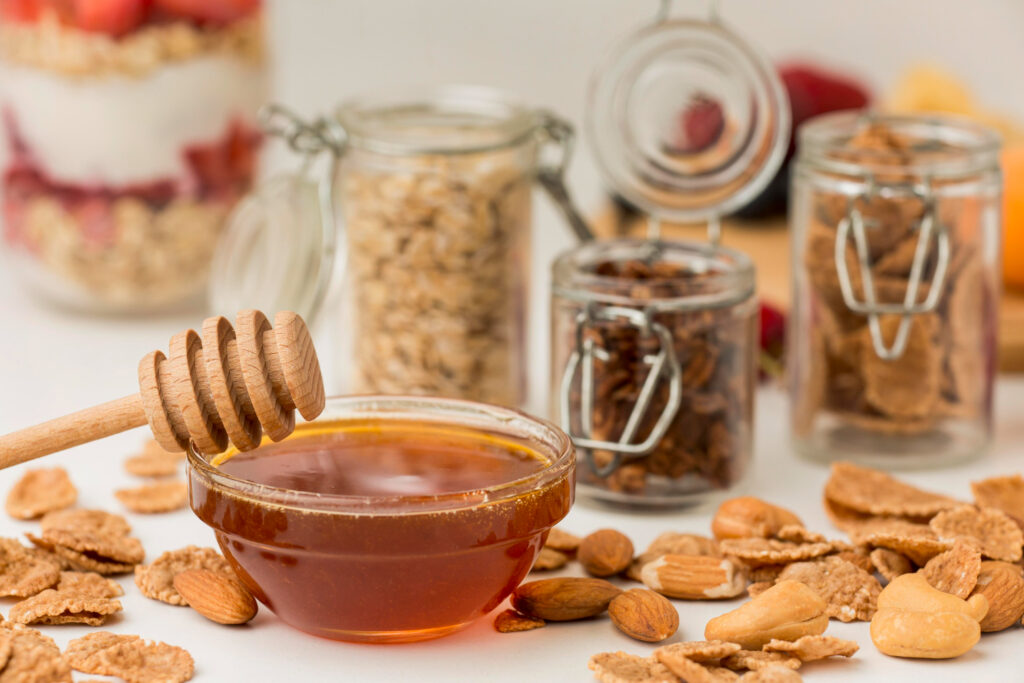
Selecting a high-quality honey pack begins with reading labels carefully. Look for details such as honey source, country of origin, ingredient list, and whether the honey is raw, organic, monofloral, or blended. A shorter ingredient list usually signals fewer additives and a more natural product.
If you prefer pure honey, choose packs that clearly mention single-ingredient honey without artificial flavorings. If you enjoy flavored or functional varieties, research the added ingredients to ensure they align with your dietary preferences and sensitivities.
Packaging quality also matters. Leak-resistant, food-grade, and hygienically sealed honey packs help preserve freshness and prevent contamination. Ethical sourcing, sustainable beekeeping practices, and fair-trade certifications are additional aspects valued by environmentally conscious consumers.
The best honey pack is one that matches your lifestyle, taste preferences, and wellness priorities while maintaining authenticity and quality standards.
Storage, Shelf Life, and Proper Handling Tips
A honey pack is generally easy to store, making it ideal for home, office, or travel use. Most packs should be kept at room temperature in a cool, dry place away from direct sunlight. Refrigeration is typically not necessary and may cause crystallization.
If crystallization occurs, it does not necessarily indicate spoilage. Honey can often be restored to a smooth texture by gently warming the sealed pack in lukewarm water. Always avoid overheating or exposing honey packs to extreme temperatures, as this may affect flavor and quality.
Check expiration dates, avoid damaged or leaking packets, and discard any honey pack that shows an unusual odor or appearance. Following simple handling practices ensures freshness, taste, and safety.
Final Thoughts on Using a Honey Pack Responsibly
The rising popularity of the honey pack reflects growing interest in natural, portable, and convenient lifestyle products. Whether used as an energy source, natural sweetener, or wellness-inspired addition to beverages, honey packs offer flexibility and practicality for everyday life.
Also Read: Top of the Rock Branson — A Complete Travel Guide to Missouri’s Iconic Ozark Retreat












1 comment