E26 Bulb — Ultimate US Guide to Choosing the Best E26 Light Bulb for Home Lighting, Energy Efficiency, and Modern Interior Design
Understanding What an E26 Bulb Really Is
The term E26 bulb is one of the most common lighting standards used in households across the United States and many other regions. The “E” stands for Edison screw base, named after Thomas Edison, while “26” represents the base diameter in millimeters. This means an E26 bulb has a 26-millimeter screw-in base that fits into standard medium household light fixtures such as lamps, ceiling lights, pendant fixtures, vanity lights, and outdoor lights. Because of its compatibility, durability, and wide availability, the E26 bulb is considered the universal lighting choice for modern residential and commercial environments.
Understanding the features of an E26 bulb helps homeowners, designers, and DIY enthusiasts make smarter lighting decisions regarding brightness, energy efficiency, color temperature, and application use. Whether upgrading to LED bulbs, replacing older incandescent lights, or planning a room renovation, knowing how an E26 bulb works allows you to optimize both lighting quality and long-term savings.
Why the E26 Bulb Is the Standard Choice in Many Homes
The popularity of the E26 bulb is not accidental. It has evolved into a reliable global standard because it fits into most common light fixtures without requiring adapters or modifications. Its medium screw base design allows quick installation, secure fitting, and compatibility with smart lighting systems and dimmable switches.
Another reason the E26 bulb remains dominant is its versatility across bulb technologies. Users can choose from LED, incandescent, halogen, and CFL versions depending on budget and lighting preference. Modern LED E26 bulbs provide superior lifespan and energy efficiency, which significantly reduces electricity consumption while maintaining optimal brightness levels. This combination of flexibility and performance makes the E26 bulb a dependable solution for everyday lighting needs.

Types of E26 Bulbs Available in the Market
When selecting an E26 bulb, it is important to understand that not all bulbs are built the same. Various bulb types exist, each designed for specific lighting goals such as energy efficiency, ambiance, durability, or brightness output.
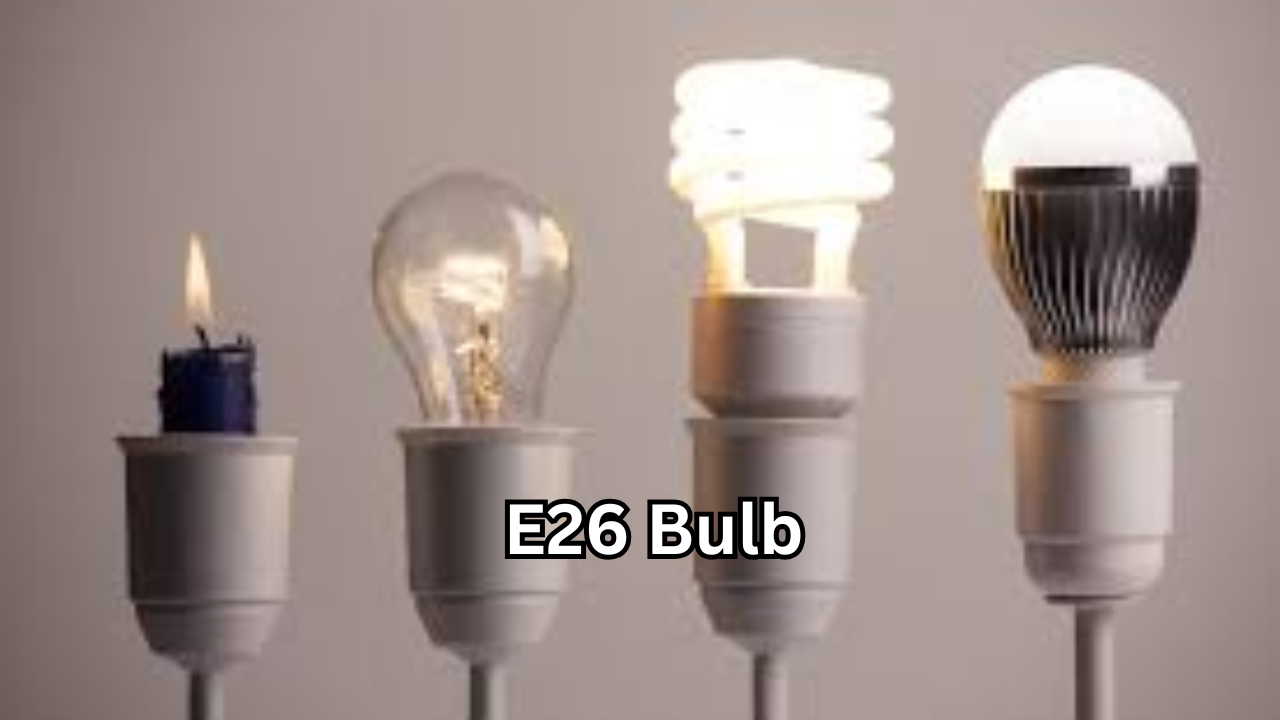
LED E26 bulbs are the most energy-efficient choice, offering long lifespan, cool operation, and reduced electricity bills compared to incandescent bulbs. CFL E26bulbs provide moderate energy efficiency but are less popular due to slower warm-up time and environmental concerns related to mercury content. Halogen E26bulbs produce brighter, sharper light, but they consume more energy and generate more heat. Traditional incandescent E26bulbs create warm, nostalgic lighting but have the shortest lifespan and highest energy usage.
By comparing these options, users can select the E26bulb that best matches their lighting preferences, energy priorities, and room environment.
Common Applications and Uses of the E26 Bulb
The E26bulb is widely used because it adapts seamlessly to numerous lighting situations. In living rooms, it is commonly installed in table lamps, floor lamps, and decorative light fixtures to create a cozy and comfortable ambiance. In bedrooms, E26bulbs are ideal for bedside lamps, reading lights, and wall-mounted fixtures, providing a soft illumination that promotes relaxation.
In kitchens and dining areas, brighter E26bulbs enhance visibility and improve functionality during cooking and meal preparation. They are also frequently used in pendant lights, chandeliers, and breakfast nook fixtures. Outdoor spaces such as patios, porches, and garden lights often rely on weather-rated E26bulbs for security and evening illumination. This widespread adaptability demonstrates why the E26bulb remains a universal solution for diverse lighting environments.
Understanding Brightness and Wattage in E26 Bulbs
One of the most important considerations when choosing an E26bulb is understanding wattage and brightness. Traditional incandescent bulbs were rated primarily by wattage, which measured energy consumption rather than brightness. Modern LED E26bulbs use fewer watts while producing the same or higher light output.
Brightness in contemporary lighting is measured in lumens. A lower lumen value produces softer, dimmer light, while higher lumens create brighter illumination suitable for workspaces and kitchens. For example, an LED E26bulb using around 9 to 12 watts can deliver brightness equivalent to a 60-watt incandescent bulb. This efficiency allows homeowners to achieve powerful illumination without excessive power consumption.
Selecting the appropriate lumen range ensures that each room receives the right lighting balance between visibility, comfort, and aesthetics.
Color Temperature Options in E26 Bulbs
Color temperature is another essential factor that defines the mood and purpose of lighting. E26bulbs are available in multiple color tone ranges measured in Kelvin (K). Warm white tones, generally between 2700K and 3000K, create a cozy, soothing environment ideal for bedrooms, lounges, and living rooms.
Neutral white tones between 3500K and 4100K provide balanced illumination, often preferred in kitchens, offices, and study rooms. Daylight or cool white tones ranging from 5000K to 6500K produce crisp, bright lighting best suited for garages, workshops, task lighting, and outdoor areas.
Choosing the right color temperature transforms the atmosphere of a room, improving comfort, productivity, and visual appeal using the same standard E26bulb base.
Advantages of Using LED E26 Bulbs Over Traditional Bulbs
LED E26bulbs have become the preferred lighting solution because they offer numerous advantages over incandescent and halogen bulbs. Their extended lifespan can last many years, reducing the frequency of replacements and lowering maintenance costs. Additionally, LED bulbs consume significantly less energy, resulting in substantial savings on electricity bills over time.
Another major benefit is reduced heat emission. Unlike incandescent bulbs that generate high temperatures, LED E26bulbs remain cool to the touch, improving safety and comfort in enclosed fixtures. They are also eco-friendly, producing lower carbon emissions and minimizing environmental impact. Many LED E26bulbs support smart home compatibility, dimming features, and voice-controlled systems, enhancing modern lifestyle convenience.
These advantages make LED E26bulbs a future-ready lighting investment for homeowners seeking performance, savings, and sustainability.
Choosing the Right E26 Bulb for Each Room in Your Home
Different rooms require different lighting styles, and selecting the right E26bulb for each space ensures optimal functionality. Living rooms benefit from warm or soft white bulbs that create relaxed and welcoming environments for gatherings and entertainment. Bedrooms require gentle illumination to promote calmness, making warm-toned bulbs ideal for night lamps and reading lights.
Kitchens and work areas perform best with neutral or daylight E26bulbs because they enhance clarity and improve focus during cooking or detailed tasks. Bathrooms benefit from bright yet balanced lighting that enhances visibility near mirrors and vanity areas. Outdoor spaces require durable weather-rated E26bulbs, especially for porch lights and garden fixtures.
By aligning bulb type, brightness, and color temperature with room purpose, users can achieve comfortable and visually appealing lighting arrangements across their entire home.

Safety and Installation Tips for E26 Bulbs
Although E26bulbs are easy to install, following safety guidelines ensures proper performance and longevity. Always make sure the power switch is turned off before replacing a bulb to prevent electrical shocks. Allow the fixture to cool when changing halogen or incandescent bulbs, as they may retain heat.
Check fixture wattage limits to avoid overloading or overheating. When using enclosed fixtures, choose E26 bulbs specifically designed for enclosed spaces to ensure proper ventilation and durability. For outdoor installations, select weather-resistant or waterproof E26bulbs to prevent damage from moisture and temperature changes.
Practicing these simple safety measures ensures reliable operation and maximizes the lifespan of your E26bulb.
How the E26 Bulb Supports Energy Efficiency and Cost Savings
Energy efficiency plays a major role in modern lighting decisions, and the E26bulb — especially in LED form — contributes significantly to long-term savings. By consuming less energy while maintaining high brightness output, LED E26bulbs reduce overall electricity expenses for households and businesses.
Their extended operational lifespan means fewer replacements and lower maintenance costs. This makes them an economical choice for frequently used fixtures such as living rooms, kitchens, and commercial spaces. Over time, the combined benefits of reduced power consumption, minimal heat output, and increased durability make E26 LED bulbs one of the most cost-effective lighting solutions available.
Final Thoughts on Choosing the Best E26 Bulb for Your Needs
The E26bulb remains one of the most trusted and widely used lighting standards because of its universal compatibility, versatility, and performance. Whether upgrading to LED technology, selecting the ideal color temperature for ambiance, or optimizing brightness for productivity, understanding how E26bulbs function enables smarter and more informed lighting choices.












1 comment