Drought Tolerant Plants: The Smart and Positive Way to Create a Resilient Garden
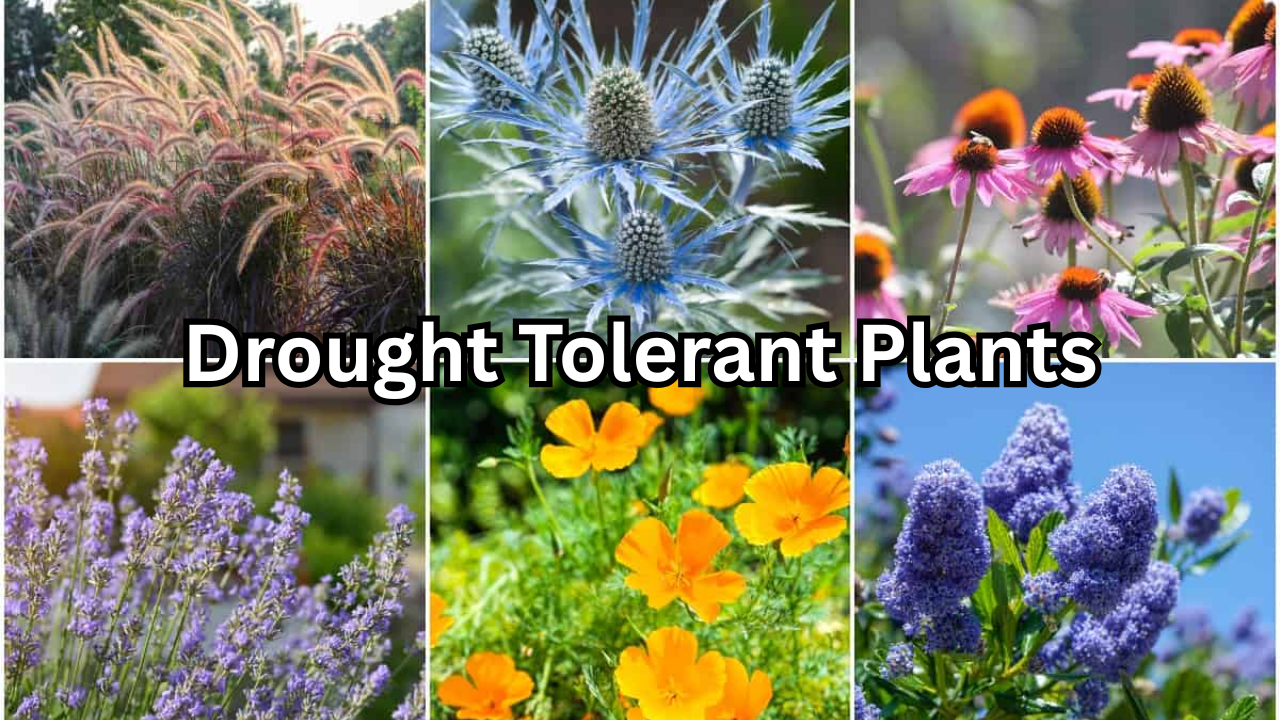
Climate uncertainty, rising temperatures, and water restrictions have changed the way people think about gardening. Drought-tolerant plants are no longer a niche interest; they are a practical and sustainable solution for homeowners, landscapers, and urban planners alike. These plants are designed by nature to thrive with minimal water, making them ideal for modern gardens that value efficiency without sacrificing beauty.
By choosing the right species and understanding how they function, you can build an outdoor space that stays vibrant through dry seasons while conserving one of our most precious resources.
Understanding Water-Wise Gardening Principles
Water-wise gardening focuses on reducing unnecessary water loss while supporting healthy plant growth. Instead of relying on constant irrigation, it emphasizes soil preparation, plant selection, and smart maintenance practices.
Plants adapted to dry environments typically have deep root systems, waxy leaves, or reduced foliage. These traits help them retain moisture and survive extended dry periods. When combined with mulching and proper spacing, water-wise landscapes remain attractive with far less effort and expense.
This approach also aligns with long-term sustainability goals, making it a responsible choice for regions facing frequent droughts or inconsistent rainfall.
Why Drought-Tolerant Plants Are a Sustainable Choice
The growing popularity of drought-tolerant plants is rooted in their ability to support both environmental and practical needs. They reduce dependency on irrigation systems and help lower household water bills. Over time, this can lead to significant cost savings, especially in areas where water usage is regulated.
Beyond economics, these plants contribute to healthier ecosystems. They support pollinators, prevent soil erosion, and reduce runoff that can carry fertilizers into waterways. Gardens designed around low-water species often require fewer chemical inputs, further enhancing their environmental benefits.
From a lifestyle perspective, they are also easier to maintain. Less watering means less time spent managing hoses, sprinklers, or irrigation schedules.
Best Drought-Tolerant Plants for Home Landscapes
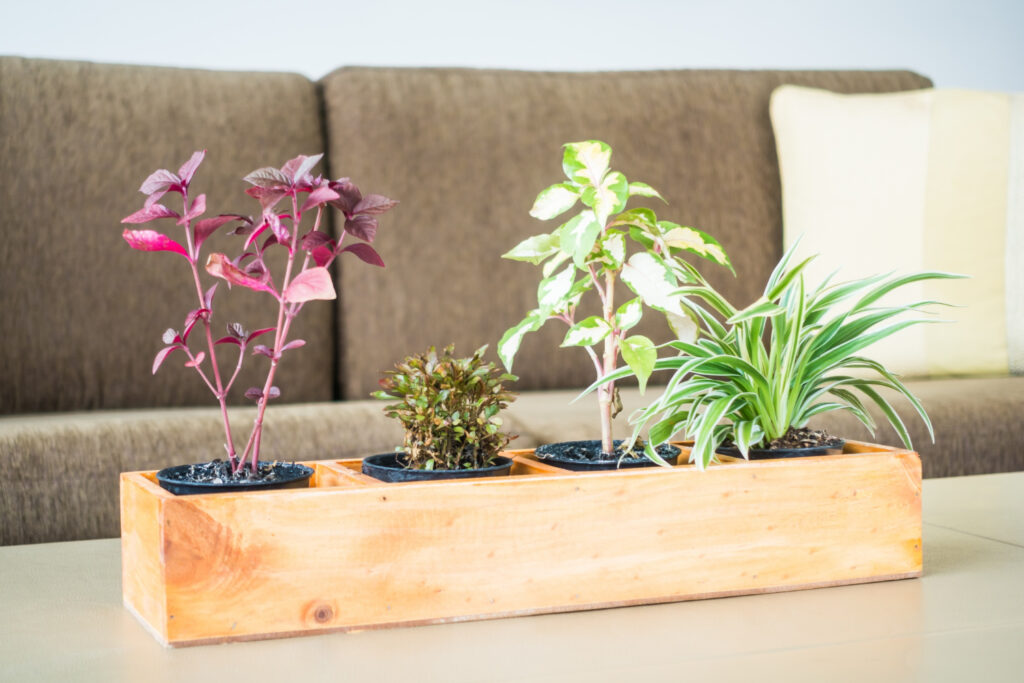
Selecting the right drought-tolerant plants depends on climate, soil type, and design goals. While native species are often the most resilient, many non-native options adapt well when placed in suitable conditions.
Popular choices include ornamental grasses, succulents, and Mediterranean herbs. These plants provide texture, color, and seasonal interest without demanding constant attention. Flowering varieties add visual appeal while still maintaining excellent water efficiency.
When planning your landscape, consider mixing plant heights and growth habits. This not only improves aesthetics but also creates microclimates that help retain moisture and protect roots during extreme heat.
How Soil Preparation Improves Water Efficiency
Healthy soil is the foundation of any successful garden, especially one designed around drought-tolerant plants. Poor soil structure can cause water to evaporate quickly or drain away before roots can absorb it.
Improving soil with organic matter enhances its ability to retain moisture while still allowing proper drainage. Compost, aged manure, and natural mulches all contribute to healthier root environments. Over time, well-prepared soil reduces the need for supplemental watering and promotes deeper root growth.
Avoid overworking the soil, as excessive tilling can break down its structure and increase moisture loss. A balanced approach leads to long-lasting results.
Smart Planting and Spacing Techniques
Even the most resilient drought-tolerant plants can struggle if planted incorrectly. Proper spacing allows roots to spread naturally and reduces competition for limited moisture. Overcrowding, on the other hand, can stress plants and increase vulnerability during dry spells.
Planting during cooler seasons gives roots time to establish before extreme heat arrives. This early establishment phase is critical for long-term survival. Grouping plants with similar water needs also simplifies maintenance and ensures consistent growth patterns.
Thoughtful placement, combined with natural shading from trees or structures, further reduces evaporation and heat stress.
Maintenance Tips for Long-Term Success
While drought-tolerant plants require less water, they are not completely maintenance-free. Occasional deep watering encourages roots to grow downward, making plants more resilient over time. Shallow, frequent watering should be avoided, as it promotes weak root systems.
Mulching remains one of the most effective maintenance practices. It helps regulate soil temperature, suppress weeds, and retain moisture. Organic mulches also improve soil quality as they break down.
Pruning should be done carefully and only when necessary. Excessive trimming can expose plants to heat and increase water loss.
Common Myths About Low-Water Gardens
A common misconception is that gardens built with drought-tolerant plants look sparse or dull. In reality, modern landscape designs prove the opposite. With thoughtful planning, these gardens can be lush, colorful, and full of life throughout the year.
Another myth suggests that these plants never need water. While they are highly efficient, all plants require some level of hydration, especially during establishment. Understanding realistic expectations helps prevent disappointment and ensures healthier growth.
Education and proper planning eliminate these misunderstandings and lead to more satisfying results.
Environmental Impact and Community Benefits
Widespread use of drought-tolerant plants has benefits beyond individual gardens. On a community level, reduced water demand eases pressure on municipal supplies and infrastructure. This is especially important in urban areas experiencing rapid growth.
Environmentally, these landscapes support biodiversity by providing habitats for birds and beneficial insects. They also contribute to cooler urban temperatures by reducing heat reflection from hard surfaces.
When adopted on a larger scale, water-efficient gardening becomes a powerful tool for climate adaptation and resilience.
Conclusion: Building a Future-Ready Garden
Designing with drought-tolerant plants is a forward-thinking decision that balances beauty, responsibility, and practicality. By understanding soil health, smart planting techniques, and realistic maintenance needs, gardeners can create landscapes that thrive even in challenging conditions.
These gardens prove that sustainability does not require compromise. With the right choices, it is possible to enjoy a vibrant outdoor space while conserving water and supporting the environment for years to come.
Also Read: ZVODEPS Explained: A Powerful and Positive Shift in the Digital Landscape













Post Comment